

Dr Thai Thi Hoa
Pain physician — founder of the Integrated Pain Restoration System
Persistent pain is rarely a single structure. We examine six interacting domains to understand what maintains it — and treat accordingly.
— DR THAI THI HOA
Consultations in VI · EN · FR
Led by Dr Thai Thi Hoa
Beyond the painful area. Treat the systems creating & maintaining pain.
The approach — in six moves
Where you feel pain does not always reveal the full picture of where the problem lies. We begin with the painful area, but we do not stop there.
We identify the systems and factors that may be contributing to the development or persistence of pain, and determine what should be prioritised in treatment.
Before looking deeper into the causes of pain, we always place medical safety first. Warning signs are screened to identify conditions that require further diagnosis, specialist referral, or appropriate medical intervention before treatment continues.
Pain and the capacity for recovery can be influenced by multiple interacting systems. The Six Biological Domains provide a framework for assessing these relationships when they are clinically relevant.
What initially triggered the pain is not always what is maintaining it today. We identify the factors that may still be contributing to pain and limiting recovery.
Not every abnormal finding needs to be treated. We identify what is most clinically relevant and determine what should be addressed first.
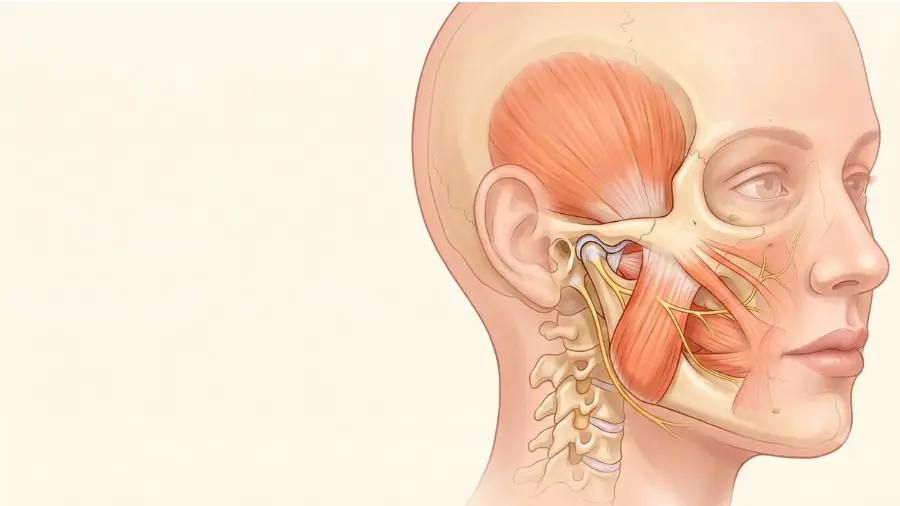
Head · Jaw · Face
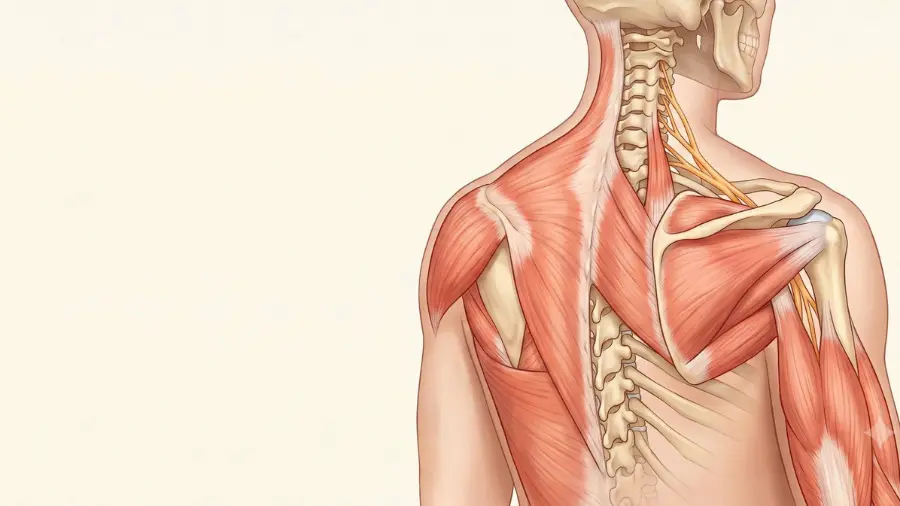
Neck · Shoulder · Upper Limb
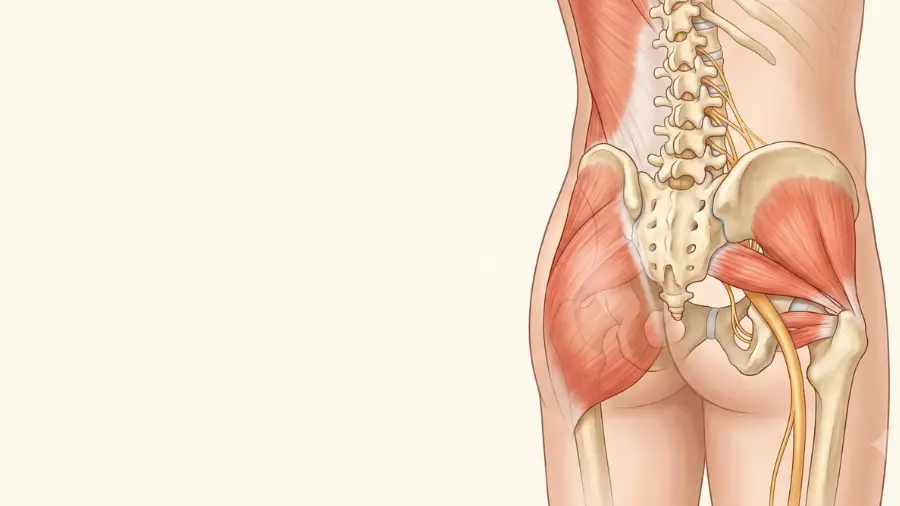
Back · Spine · Sciatica
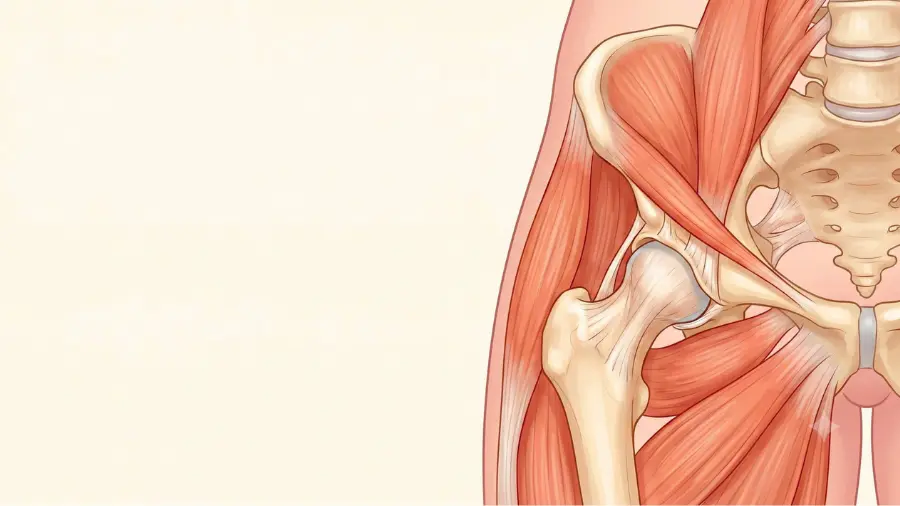
Pelvis · Hip

Knee · Ankle · Foot
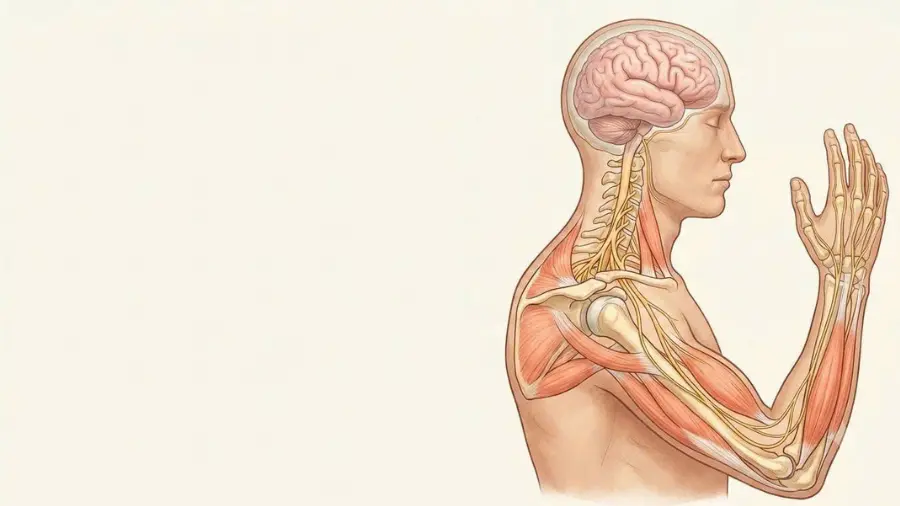
Neuropathic Pain
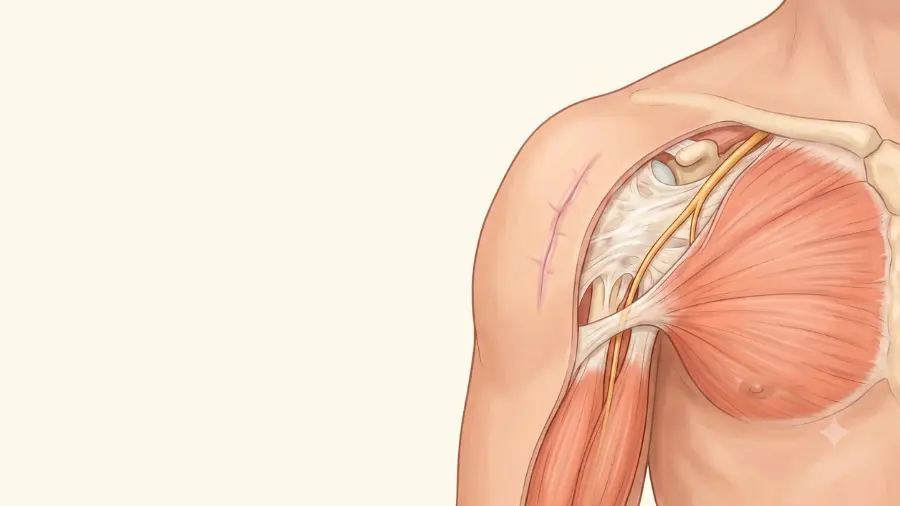
Pain After Injury · Pain After Surgery
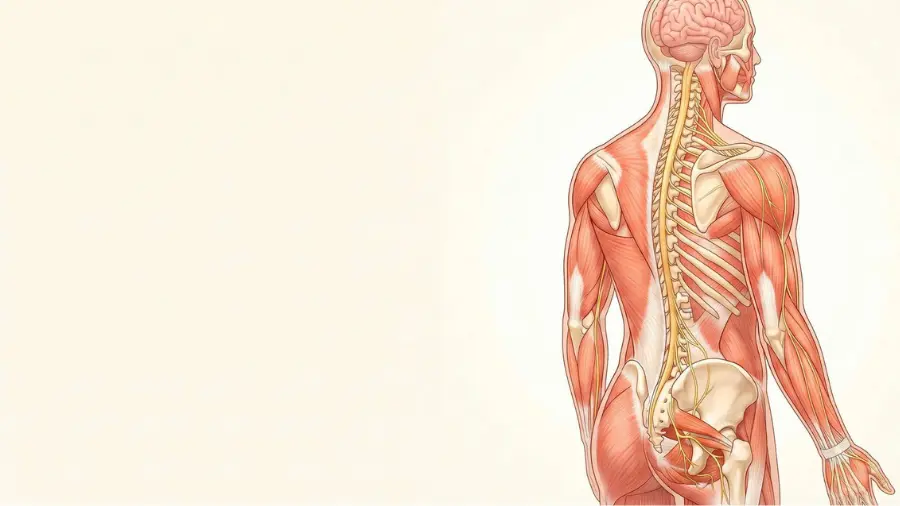
Chronic · Persistent · Complex Pain
Every patient is different.
The clinical reasoning remains consistent.
We assess what may be contributing to the pain, determine what matters most, intervene where appropriate, and then re-test. The patient's response helps determine what comes next.
One clinical cycle
Understand the patient, the pain, and the factors involved.
Determine what truly matters, right now.
Choose the right tool, targeted precisely at the suspected driver.
Verify whether what matters actually changed.
Every intervention is followed by re-assessment. What changes — and what does not — helps determine the next clinical decision.
Learn MoreThe right tool, for the right reason.
No single approach works for every patient. After we understand what may be contributing to your pain and what truly matters most, we choose the treatment methods that best match your needs — from pain medicine, functional rehabilitation to advanced supportive therapies.
You do not need all the methods below.
Different tools may serve different purposes at different points in recovery.
Medications and symptom control when indicated.
Minimally invasive pain procedures when appropriate.
Coordination of imaging, diagnostics and other specialist care when needed.
Joint, soft tissue and fascia techniques.
Rebuilding control and movement quality.
Restoring strength, balance and load-bearing capacity.
Restoring coordination across the full movement chain.
Integrating breath, diaphragm, deep core and movement — the central integrator of this tier.
Supporting nervous system balance and autonomic regulation.
Supporting fascia, interstitial fluid and lymphatic function.
Addressing the emotional, cognitive and social factors that can maintain pain.
Eye Movement Desensitization and Reprocessing, for pain linked to past trauma or biological memory.
Targeted needling techniques when indicated.
INDIBA / Winback (High radiofrequency), Ultrasound & Shockwave and High-Power Laser therapy — applied to support pain and tissue recovery.
Functional assessment and interventions guided by Applied Kinesiology principles.
Nutritional and metabolic support to enhance recovery and overall health.
Medicine and restoration are not opposites.
Medication, interventional procedures, surgery and rehabilitation all have a role. The key is choosing the right approach, for the right patient, at the right time, for the right purpose.
Discover How We Treat
Care for persistent pain is delivered by a coordinated team.
Each clinician contributes a different expertise. All of them work within the same Integrated Pain Restoration System philosophy, use the same assessment framework and share one goal: coordinated, person-centred care.
The framework the team shares is the one Dr Hoa developed and teaches.
Every clinician assesses within the same model, so findings and priorities carry across the team.
The clinical thinking is shared, not divided between separate specialists.
The person follows a single coordinated plan, revised as they respond.
Every pain story is different.
Behind the same diagnosis can be very different reasons why pain persists.
These stories show how looking beyond the painful area — and understanding the person as a whole — can change the direction of care.
Individual outcomes vary. These stories describe individual patients' experiences and do not guarantee similar results.
Explore all patient storiesBetter treatment begins with better understanding.
Pain medicine is not only about knowing more techniques. It is about learning how to see the whole patient, identify what matters most, and choose the right intervention for the right reason.
Drawing on more than two decades of clinical practice, Dr Hoa shares an integrated framework for understanding pain — for patients who want to understand their bodies and for healthcare professionals who want to deepen their clinical reasoning.
From knowledge to clinical reasoning.
From clinical reasoning to better care.
If you are in pain, have tried many things, and still haven’t found the right direction, you may have found the right place.
Dr Hoa Pain Clinic is a specialized pain treatment practice led by Dr. Thái Thị Hoa, who brings more than 20 years of experience in this field. Starting from a foundation in modern medicine and interventional pain techniques, she has gradually expanded her approach toward comprehensive restoration, combining advanced rehabilitation methods with the appropriate values of Eastern and Western medicine.
But what matters is not how many methods we have.
What matters is finding what you actually need.
Even among patients with the same complaint — low back pain, neck and shoulder pain, or nerve pain — the story behind each person’s pain can be completely different. The doctor will take the time to listen to you, review any existing scans and test results, and conduct a hands-on examination — not simply to learn where it hurts, but to understand why you are in pain and what may be keeping it going.
From there, an individual treatment plan is built: addressing what is necessary first, prioritizing safety and conservative care, limiting medication where possible, favoring less invasive methods, and intervening only when truly necessary.
We will not promise you’ll be “pain-free in a few sessions” before the doctor has even examined you. But after your first assessment, you will have a clearer understanding of your condition, the recommended direction of treatment, the expected number of sessions, and the cost — before you decide whether to continue.
And throughout this journey, we hope you will feel something very simple: a doctor who truly listens, a team that truly cares, and a clinic where you can feel as at ease as you would at home.
You don’t need to figure out on your own what medication to take, which method to try, or where to start.
Book an appointment and bring your pain’s story with you. Together, we will find out what is happening — and the most appropriate direction to begin.
If you’ve been to many places, tried many medications, physical therapy, acupuncture, injections, or other methods, and the pain keeps coming back, what you may need right now is not another method — but a different way of looking at your pain.
The treatments you’ve already tried were not necessarily wrong. They may have eased your pain for a while. But if the pain keeps returning, there may still be factors quietly sustaining it that haven’t yet been identified or fully addressed.
A pain may begin in a muscle, a joint, a disc, or an injury, but as it persists, it can become a story involving several systems at once. The body changes how it moves to avoid pain, other areas compensate, the nervous system can become more sensitive; sleep, stress, old scarring, inflammation, and overall health can all contribute to keeping the pain going.
This is why, at Dr Hoa Pain Clinic, we don’t just ask:
“Where does it hurt?”We want to answer a more important question:
“What is keeping your pain going?”
The doctor will review your treatment history — what has helped, what hasn’t — re-examine your body, and look for factors that may have been overlooked. From there, we can determine what needs to be addressed first and which methods are truly necessary.
You’ve already come a long way with your pain.
It may be time to stop simply searching for another method to relieve it — and start understanding why it hasn’t left yet.
Yes. Reducing reliance on medication wherever possible is one of the priorities of pain treatment at Dr Hoa Pain Clinic.
Medication plays an important role when the right drug is used at the right time for the right indication. But medication can also be a double-edged sword: it helps control pain, yet prolonged or inappropriate use can come with unwanted side effects — and, more importantly, relieving pain with medication does not always address the factors actually creating or sustaining it.
That is why some people feel better while on medication, but the pain returns just as before once they stop.
Rather than simply switching or increasing medication, the doctor will investigate why the pain persists and select solutions that can address the underlying issue more directly.
Depending on the case, treatment at the clinic may include intensive physical therapy and movement rehabilitation, manual therapy, muscle and fascia work with trigger point treatment, dry needling, INDIBA, WINBACK, high-power laser, shockwave therapy, autonomic nervous system regulation, circulatory and lymphatic support, and minimally invasive procedures when truly necessary.
More methods do not necessarily mean better results. What matters is choosing the right method for the right problem at the right time.
If medication is still needed, the doctor will respect its role. Where the condition allows, the goal is to gradually reduce medications that are no longer necessary while restoring movement and addressing the factors sustaining the pain — rather than simply masking the symptom.
Medication can help you get through the pain. But to go further, we need to understand why you’re still in pain.
That is the path Dr Hoa Pain Clinic prioritizes: safer, less dependent on medication, and oriented toward lasting recovery.
Bring your pain with you — and the journey you’ve had with it so far. We’ll figure out the rest together.
Your first visit begins with Dr. Thái Thị Hoa personally listening to your story: how the pain started, how long it has lasted, how it has affected your sleep and your life, what diagnoses you’ve received, what medications or treatments you’ve tried, and how your body has responded.
If you have them, bring your MRI scans, X-rays, lab results, prescriptions, and past treatment records. You won’t need to start everything over if the information you already have is still useful.
The doctor will then conduct a thorough examination that looks beyond just the painful area. The first priority is making sure nothing is overlooked that requires medication, intervention, surgery, or referral to another specialist. Once safety is confirmed, the doctor moves deeper to identify the factors that may be creating or sustaining your pain.
Depending on the case, the assessment may extend to posture, gait, movement, muscles, joints and fascia, the nervous system, old scarring, sleep, stress, and other related health issues, supported by the clinic’s assessment tools when needed.
And here is what matters most: we don’t want you to simply receive a diagnosis and leave with a prescription.
Once a safely treatable issue has been identified, treatment can begin right away, during this same first visit. The doctor and the team will monitor how your body responds and reassess: has the pain eased, is movement easier, has your range of motion changed? These responses continue to guide the doctor toward the right direction.
At the end of the visit, everything will be explained to you clearly, in plain language: what we currently understand about your pain, what needs to be prioritized, what treatment options are available, how many sessions are expected, and what the cost will be.
Not everyone who comes to Dr Hoa Pain Clinic needs the same treatment course. And we don’t try to keep every case under our own care. If you need another specialist, a necessary test, medication, an intervention, or surgery, the doctor will say so clearly and guide you toward the right option.
The goal of the first visit is simple: you arrive not knowing what to do next — and you leave with a clearer direction for your pain.
Possibly. And it is precisely people who have lived with pain for years, who have tried many places without finding an answer, who are one of the reasons Dr. Thái Thị Hoa spent years building and refining her Integrated Pain Restoration System.
Over more than 20 years of practice, the doctor came to see that some pain cannot be resolved simply by adding another medication, another injection, or another method aimed at the painful area alone.
For those patients, Dr. Hoa never stopped learning, seeking out new approaches from around the world — from modern interventional pain medicine to movement rehabilitation, nervous system regulation, muscle and fascia work, circulatory and lymphatic support, metabolism, and sleep, among other supporting methods — then selecting, connecting, and integrating them into a single, unified system of care that not every practice can offer within one continuous course of treatment.
Because with persistent pain, the question is no longer only:
“What caused your pain?”But, more importantly:
“What is keeping the pain here — and what can we still change?”
This is also why many patients, including some who have come to Dr Hoa Pain Clinic from abroad, value something quite different here: they are not simply treated as a painful area, but listened to and seen as a whole person.
We do not promise that every long-standing pain will disappear completely. But there is still much worth pursuing: pain can lessen, the body can move better, sleep can return, medication can be reduced where appropriate, and activities you thought you had to give up can gradually be regained.
And beyond all the equipment, techniques, and modern methods, we still believe part of treatment lies in something no device can provide: the heart of the physician, the dedication of the whole team, and the patient’s own sense of being heard, understood, and never facing their pain alone.
Science helps us find the right direction. Experience helps us know where to begin. And dedication helps us stay with you long enough to gradually reclaim a body with less pain and a better life.
If you have been in pain for a very long time, don’t assume you’re out of options. There may still be an approach your body has never had the chance to try.